

A Purpose-Built Delivery Vehicle.
FNIC is a wholly First Nations-owned infrastructure corporation, structured to finance, build, and own publicly-leased facilities across British Columbia — and to capture financing advantages no private developer can reach.

What FNIC is
A Go-Anywhere Infrastructure Company.
FNIC is structured as a dedicated P3 delivery vehicle. It can move on any P3 project in any jurisdiction in British Columbia by engaging in Nation-to-Nation agreements and backed by specialist infrastructure advisory support at every stage. Local First Nations participate as the proponent partners.

The Structural Advantage
Financing tools no private developer can reach.
The federal government has built an extensive suite of financing programs specifically for Indigenous-owned infrastructure — programs that sit unused whenever a project is delivered by a private developer or a government body instead.
By placing First Nations ownership at the top of the capital stack, FNIC unlocks near-government borrowing rates, non-repayable federal grants, and loan guarantees that lower the effective cost of every project it delivers — the same facility, financed differently.
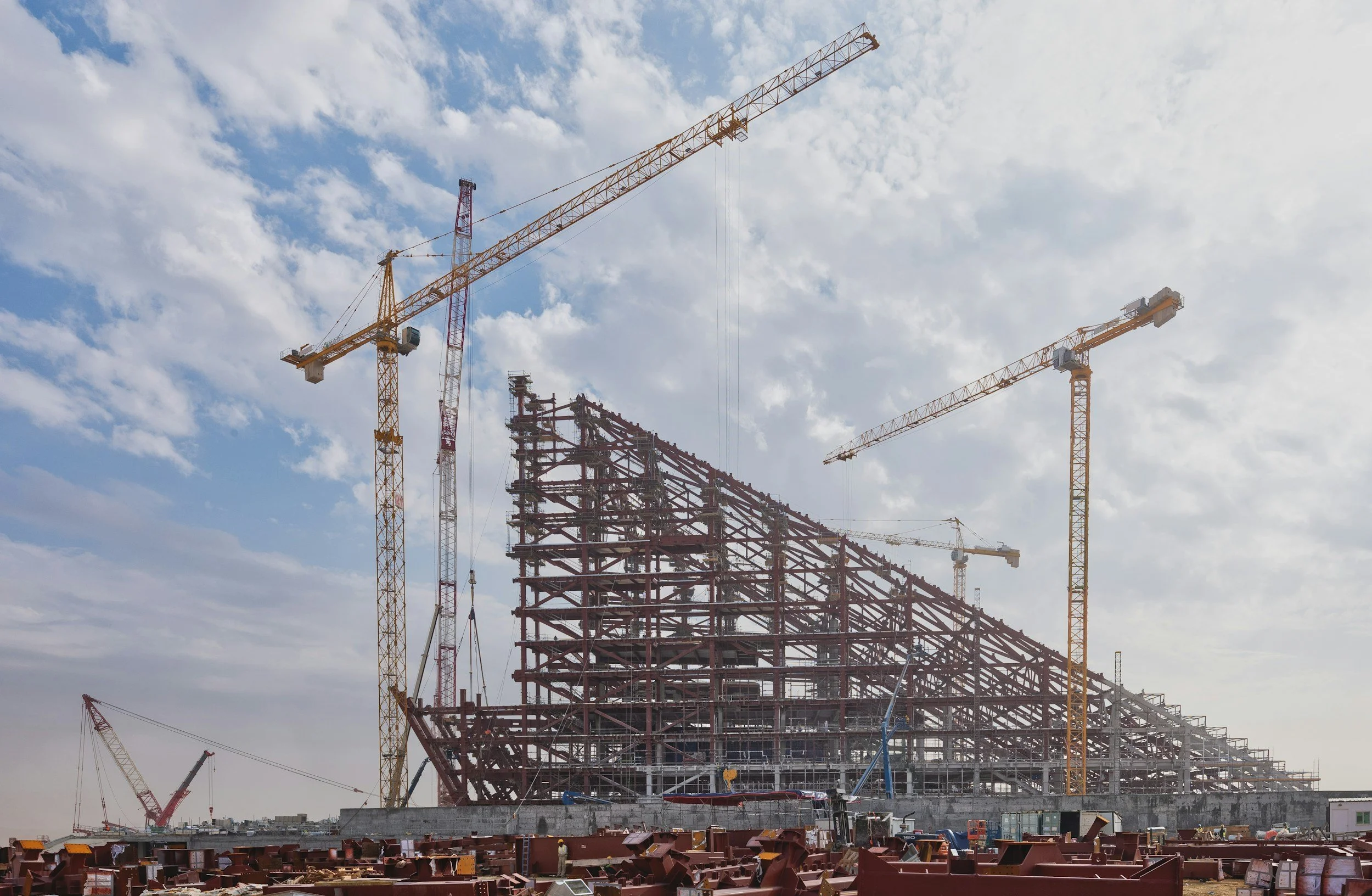

“7-8 Billion dollars in announced, unfunded Infrastructure across Health, Education and Transportation on the Provinces capital plan, Sept 2026.”
FNIC — Proposal to the Government of British Columbia
Governance & Control
Ownership that is real, not nominal.
✔ 100% Equity
No external investor shares in distributions. All revenue after debt service flows to First Nations ownership.
✔ Full Transparency
Audited annual accounts and quarterly reporting give complete visibility into project finances.
✔ Government-backed Revenue
Lease payments come from a school board, health authority, or municipality — effectively sovereign-guaranteed for the full term.
✔ Design Authority
Cultural priorities, programming, and community features are embedded before construction begins.
✔ Asset Appreciation
As sole owner, First Nations capture any appreciation — a permanent, generational addition to the balance sheet.